Introduction
Have you ever practiced something so many times that it stopped feeling scary? That’s exactly what mock tests do for students. For Intermediate students, January often brings nervousness, self-doubt, and the big question—“Am I really ready?” This is where regular mock tests step in and change the game.
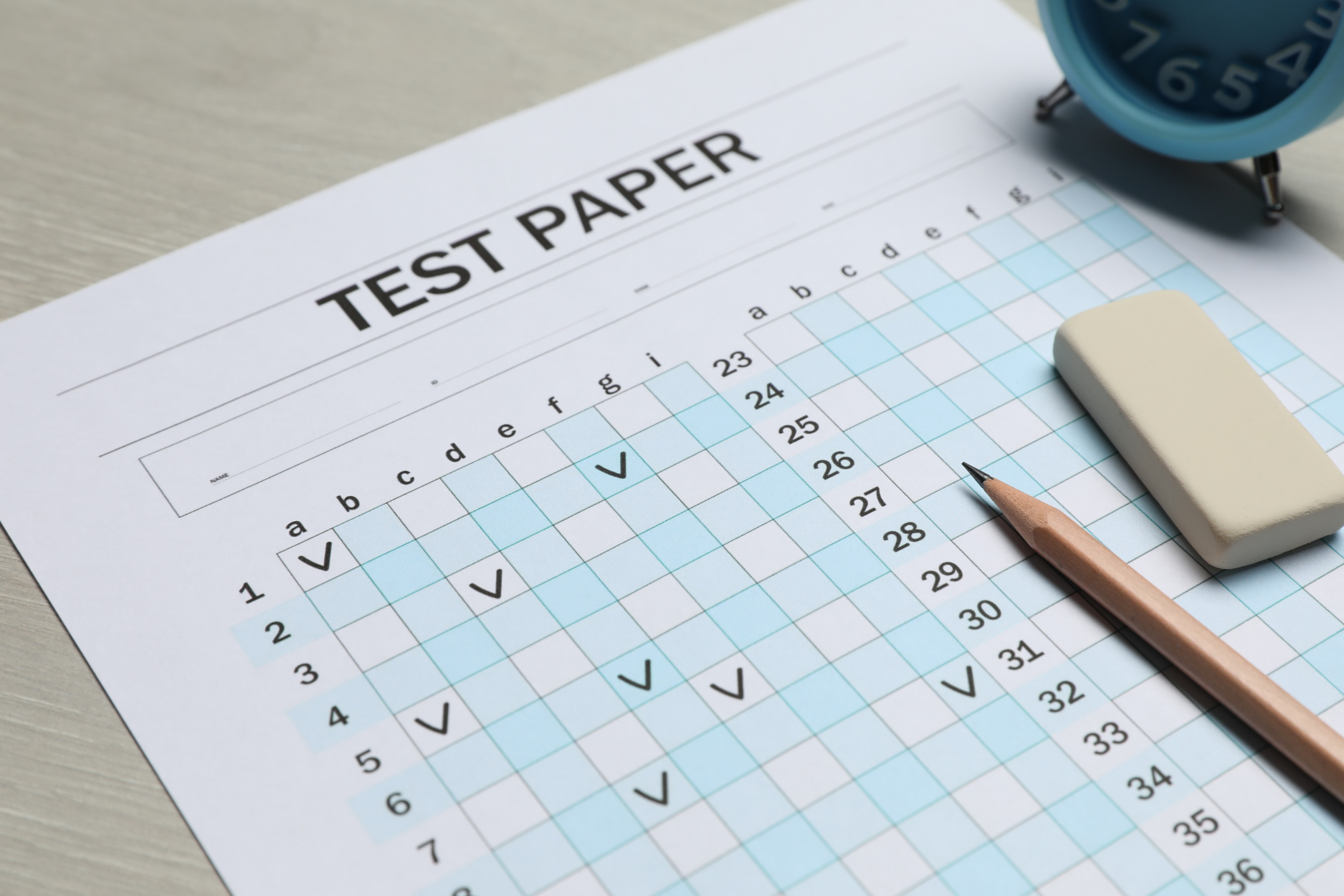
Think of January mock tests like flight simulators for pilots. Before flying a real plane, pilots practice again and again in a simulated environment. Similarly, mock tests prepare students for the real exam experience, without the risk. At Ignite Junior College, known as the Best Inter College in Kompally, January mock tests are not about marks—they’re about building confidence.
Let’s understand how regular mock tests in January can transform fear into confidence and preparation into performance.
1. Why January Is the Perfect Month for Mock Tests
January sits at the ideal point in the academic calendar.
By this time:
- Most syllabus is covered
- Students know basic concepts
- Exams feel closer
This makes January the best month to test readiness and adjust strategies. That’s why the Best Inter College in Kompally gives special importance to mock tests during this phase.
2. Understanding the Purpose of Mock Tests
Mock tests are not just exams—they are learning tools.
Their real purpose is to:
- Familiarize students with exam patterns
- Improve speed and accuracy
- Highlight areas that need attention
At Ignite Junior College, students are taught to view mock tests as helpers, not stress creators.
3. How Mock Tests Reduce Exam Fear
Fear comes from the unknown.
When students write regular mock tests:
- The exam format feels familiar
- Instructions become routine
- Anxiety reduces naturally
By January end, exams stop feeling scary and start feeling manageable.
4. Improving Time Management Through Practice
Time management can’t be learned by reading tips—it must be practiced.
Mock tests help students:
- Allocate time per section
- Avoid spending too long on one question
- Finish exams comfortably
This practical training builds confidence for the final exam.
5. Learning to Handle Exam Pressure
Sitting for a three-hour paper is mentally demanding.
January mock tests help students:
- Build mental stamina
- Stay calm under pressure
- Maintain focus till the end
At Ignite, exam-like environments are created so students feel prepared, not shocked, on the final day.
6. Identifying Strengths and Weak Areas
Mock tests act like mirrors.
They clearly show:
- Which subjects are strong
- Which chapters need revision
- Where careless mistakes happen
This clarity allows students to prepare smartly instead of guessing.
7. Improving Answer Writing Skills
Knowing the answer isn’t enough—you must present it well.
Regular mock tests improve:
- Answer structure
- Speed of writing
- Neatness and clarity
Teachers at Ignite provide feedback that helps students score better with the same knowledge.
8. The Role of Analysis After Mock Tests
Writing a mock test without analysis is like exercising without cooling down.
Proper analysis helps students:
- Understand why mistakes happened
- Learn better methods
- Avoid repeating errors
The Best Inter College in Kompally emphasizes deep analysis, not just scores.
9. How Ignite Junior College Designs January Mock Tests
January mock tests at Ignite are:
- Syllabus-aligned
- Exam-oriented
- Gradually challenging
Each test is followed by discussion and guidance, ensuring continuous improvement.
10. Building Consistency and Discipline
Regular mock tests create a routine.
They help students:
- Stay disciplined
- Maintain revision schedules
- Avoid procrastination
Consistency builds confidence faster than last-minute effort.
11. From Mistakes to Mastery
Mistakes in January are a blessing.
Why?
- There’s time to correct them
- Pressure is lower than final exams
- Learning is deeper
Ignite encourages students to learn from mistakes, not fear them.
12. Boosting Memory and Recall
Repeated testing improves memory.
Mock tests:
- Strengthen recall ability
- Improve speed of thinking
- Reduce blank moments in exams
This makes students feel mentally sharp and confident.
13. Parents’ Role During Mock Test Phase
Parents should see mock tests as practice, not judgment.
Helpful support includes:
- Encouragement after tests
- Avoiding comparison with others
- Focusing on improvement
Ignite keeps parents informed to create a positive support system.
14. Avoiding Common Mock Test Mistakes
Some students:
- Fear low scores
- Skip analysis
- Get discouraged easily
Teachers at Ignite guide students to use mock tests constructively, not emotionally.
15. Turning January Mock Tests into Confidence Builders
By the end of January:
- Exams feel familiar
- Mistakes reduce
- Confidence increases
Students stop asking “Am I ready?” and start thinking “I can handle this.”
Conclusion
Regular mock tests in January don’t just prepare students academically—they prepare them mentally and emotionally. Confidence doesn’t come from hoping; it comes from practicing.
At Ignite Junior College, proudly known as the Best Inter College in Kompally, January mock tests are designed to strengthen skills, reduce fear, and build self-belief. When students face exams after consistent practice, confidence naturally follows.
FAQs
1. Why are mock tests especially important in January?
Because they help students assess readiness while there’s still time to improve.
2. How many mock tests should students attempt in January?
At least 1–2 full-length tests per week with proper analysis.
3. What if a student scores low in mock tests?
Low scores highlight areas for improvement and should be treated as learning opportunities.
4. Do mock tests really reduce exam fear?
Yes. Familiarity with the exam format significantly lowers anxiety.
5. Why is Ignite considered the Best Inter College in Kompally?
Because of its exam-oriented mock tests, expert feedback, and student-focused preparation.