Introduction
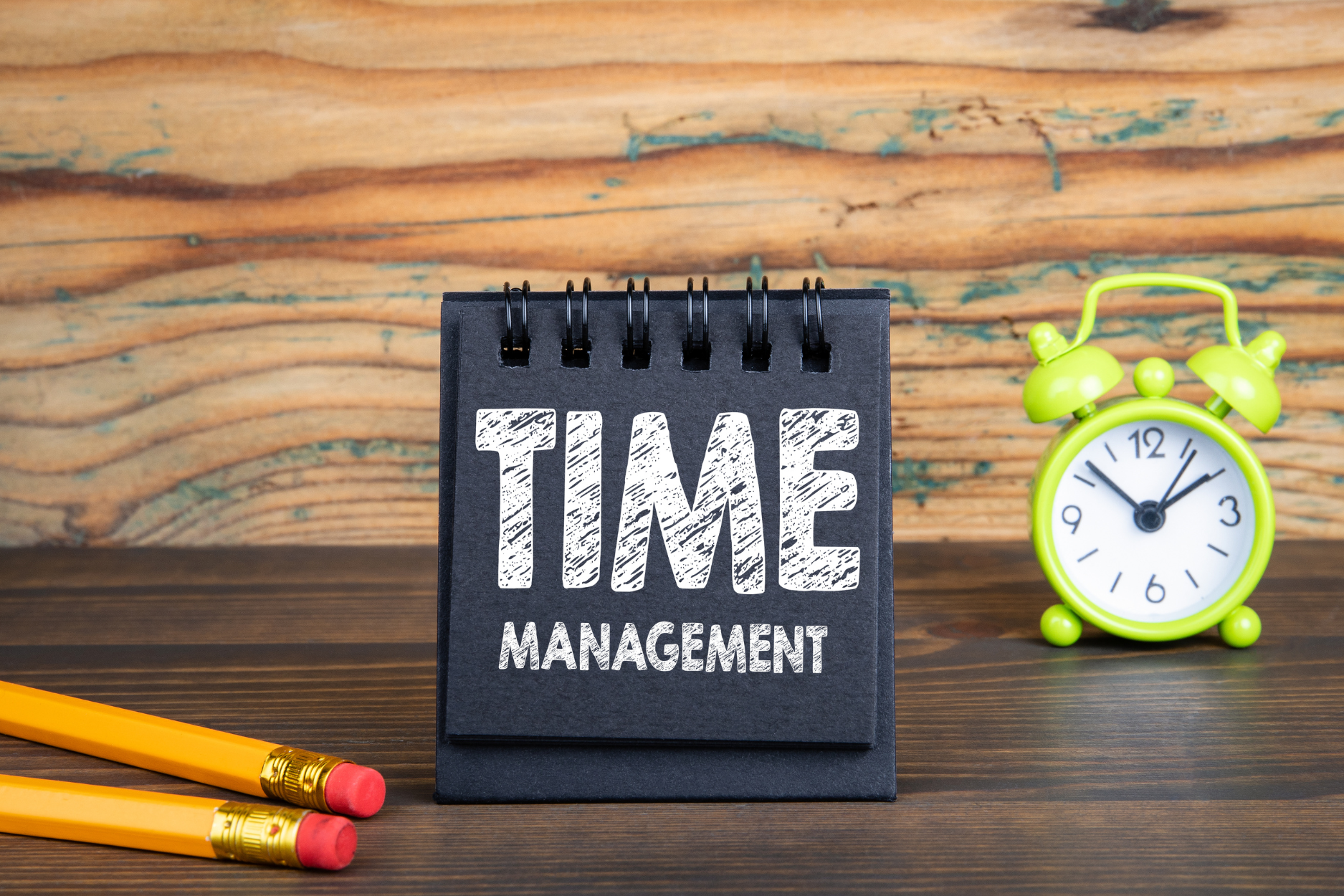
High-pressure academic months can feel like running a marathon with hurdles. Boards, entrance exams, or competitive tests often pile up, leaving students stressed and overwhelmed. The secret to navigating these months isn’t working harder—it’s managing time smarter.
Imagine your day as a glass of water. Pour it all at once, and some spills. Pour it carefully, section by section, and every drop counts. That’s the essence of smart time management. At Ignite Junior College, recognized as the Best Inter College in Kompally, students are taught techniques that help them maximize productivity, reduce stress, and achieve their academic goals.
Here’s a guide to mastering time in high-pressure academic months.
1. Understanding the Challenges of High-Pressure Months
During exams or competitive tests, students face:
- Heavy syllabus load
- Multiple exams in a short period
- High stress and anxiety
Recognizing these challenges helps in creating a structured plan rather than working randomly.
2. The Importance of Planning Ahead
Planning is half the battle.
- Identify upcoming exams and deadlines
- Break syllabus into manageable portions
- Allocate days for revision, practice, and weak areas
At Ignite Junior College, advance planning is key to achieving stress-free preparation.
3. Prioritization: Urgent vs Important Tasks
Not all tasks are equal. Prioritize:
- Urgent & Important: Must do today
- Important but Not Urgent: Plan for later in the week
- Urgent but Less Important: Delegate if possible
- Neither: Avoid
This helps focus on what really impacts performance.
4. Creating a Daily Schedule That Works
A practical daily schedule includes:
- Morning: tough topics or new concepts
- Afternoon: moderate topics or practice questions
- Evening: revision, mock tests, or summaries
A well-structured schedule prevents wasted time and reduces anxiety.
5. Time Blocking for Effective Study
Time blocking means allocating fixed time slots to specific tasks.
- Example: 7–9 am: Physics, 9–10 am: Break, 10–12 pm: Chemistry
- Helps maintain focus
- Reduces multitasking
Students at Ignite learn to implement time-blocked schedules for maximum efficiency.
6. The Pomodoro Technique for Focus
Work in short, focused bursts:
- 25–30 minutes study + 5-minute break
- Repeat 4–5 cycles, then take a longer break
- Keeps mind fresh and improves concentration
This technique works well in high-stress months.
7. Using Short Breaks Strategically
Breaks aren’t wasted time—they’re productivity boosters.
- Short walks or light exercise
- Listening to music for relaxation
- Quick refreshment
Breaks help maintain mental stamina during long study hours.
8. Combining Study and Revision Smartly
Balance learning new concepts with revision:
- Alternate between weak and strong subjects
- Incorporate active recall during breaks
- Review summaries and flashcards daily
This keeps knowledge fresh and reduces last-minute panic.
9. Tackling Difficult Subjects First
Start your day with challenging subjects:
- Brain is fresh in the morning
- Difficult topics get maximum focus
- Easier topics can be managed later
This method reduces procrastination and boosts confidence.
10. Leveraging Peak Energy Hours
Everyone has natural energy peaks:
- Morning: best for analytical subjects
- Afternoon: moderate topics
- Evening: lighter review or practice
Ignite helps students identify personal peak hours to optimize learning.
11. Avoiding Procrastination Pitfalls
Common procrastination habits:
- Checking social media
- Unnecessary multitasking
- Overthinking tasks
Techniques to overcome procrastination:
- Use timers
- Set small achievable goals
- Reward yourself for completed tasks
12. Digital Tools for Time Management
Use technology wisely:
- Google Calendar for planning
- Trello or Notion for task tracking
- Focus apps to block distractions
Ignite students leverage these tools for efficient high-pressure preparation.
13. Balancing Academics with Rest and Health
Time management isn’t just study—include:
- 7–8 hours of sleep
- Regular meals
- Exercise or stretching
Healthy habits sustain focus and prevent burnout.
14. Weekly Review and Adjustment
Every week:
- Check progress against goals
- Adjust schedule for pending tasks
- Celebrate small achievements
Ignite teaches reflection and flexibility as part of time management.
15. Building Consistency for Long-Term Success
Time management isn’t a one-month effort. Consistency:
- Builds discipline
- Reduces exam anxiety
- Creates lasting study habits
Regular habits during high-pressure months pay off in confidence and results.
Conclusion
Smart time management is the backbone of effective academic performance during high-pressure months. Planning ahead, prioritizing tasks, leveraging energy peaks, and balancing study with rest ensures maximum productivity and minimal stress.
At Ignite Junior College, known as the Best Inter College in Kompally, students are trained to implement these techniques, turning high-pressure months into periods of focused success.
FAQs
1. How can students avoid procrastination during exams?
Use time-blocking, Pomodoro technique, and eliminate distractions.
2. Is it better to study long hours or use short focused sessions?
Short, focused sessions with breaks are more effective for retention and focus.
3. How important is sleep during high-pressure academic months?
Essential. Proper sleep improves memory, focus, and overall performance.
4. Can digital tools really help with time management?
Yes. Apps like Google Calendar, Trello, and focus apps streamline scheduling and tracking.
5. Why is Ignite Junior College considered the Best Inter College in Kompally for time management guidance?
Because of structured schedules, expert mentoring, and practical strategies tailored for high-pressure months.